Introduction
In an era where water scarcity threatens agricultural productivity across the globe, farmers are turning to innovative solutions that do more with less. Drip irrigation, also known as trickle irrigation, has emerged as one of the most efficient and effective methods for watering crops. This precision watering system delivers water slowly and directly to the root zone of plants, minimizing waste while maximizing growth potential.
Whether you're managing a large commercial farm or tending a backyard garden, understanding drip irrigation can transform how you think about water management and crop production.
What is Drip Irrigation?
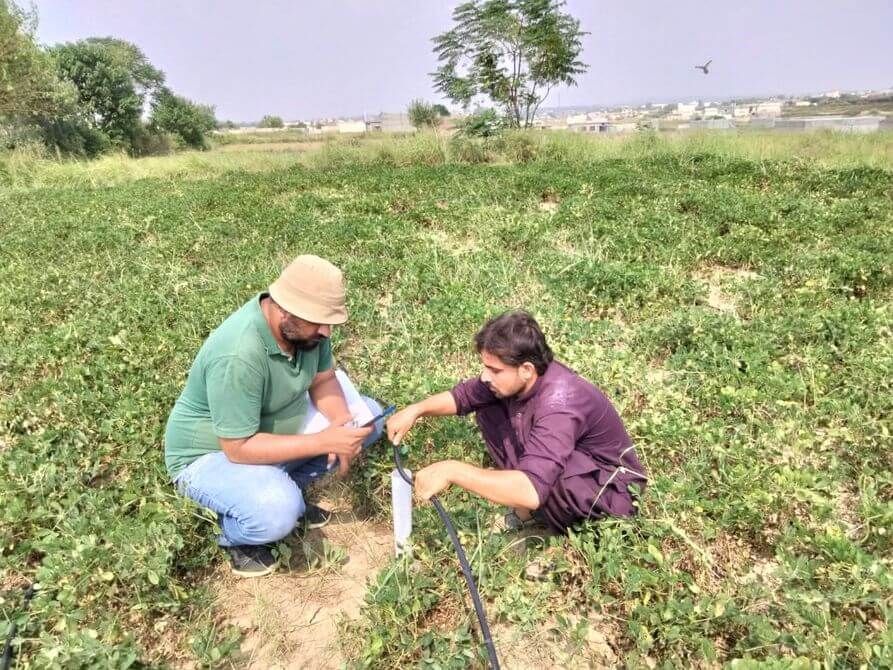
Drip irrigation is a micro-irrigation system that allows water to drip slowly to the roots of plants, either onto the soil surface or directly into the root zone through a network of valves, pipes, tubing, and emitters. Unlike traditional sprinkler systems that spray water into the air, drip irrigation places water precisely where plants need it most.
The system consists of several key components: a water source, a filtration system, pressure regulators, main and sub-main lines, drip lines or tubing, and emitters that control water flow. This setup creates a controlled environment where every drop counts.
The Water-Saving Benefits
The most compelling advantage of drip irrigation is its remarkable water efficiency. Traditional flood irrigation can waste 50-70% of water through evaporation, runoff, and watering non-target areas. Drip irrigation reduces water consumption by 30-60% compared to conventional methods.
How does it achieve this? By delivering water directly to the root zone, drip irrigation minimizes evaporation from soil surfaces. There's no water lost to wind drift, and runoff becomes virtually nonexistent. The slow application rate allows soil to absorb water completely, ensuring that plants receive moisture without creating puddles or waste.
In regions facing drought or water restrictions, this efficiency isn't just beneficial it's essential. Farmers can irrigate the same area with significantly less water, reducing both environmental impact and operational costs.
Boosting Crop Yields
Water savings alone would make drip irrigation worthwhile, but the system also dramatically increases crop productivity. Studies have shown yield improvements ranging from 20% to 90% depending on the crop type and growing conditions.
The secret lies in optimal growing conditions. Plants receive consistent moisture levels, eliminating the stress of drought periods followed by flooding. This steady water supply allows plants to focus energy on growth and fruit production rather than survival. Root systems develop more efficiently when water is consistently available at the right depth.
Additionally, drip irrigation reduces foliar diseases since leaves stay dry. Many fungal and bacterial diseases thrive in moist leaf environments created by overhead watering. With drip irrigation, only the soil receives water, creating healthier plants that can dedicate resources to producing higher yields.
Nutrient Efficiency Through Fertigation
One of drip irrigation's most powerful features is fertigation the ability to deliver fertilizers directly through the irrigation system. This precision nutrition management ensures plants receive nutrients exactly when and where needed.
Fertigation reduces fertilizer waste by up to 50% compared to broadcast application methods. Nutrients go directly to root zones rather than washing away or leaching into groundwater. Farmers can adjust nutrient delivery based on crop growth stages, providing customized feeding schedules that optimize plant health.
This targeted approach also protects the environment by minimizing fertilizer runoff into rivers and streams, reducing agricultural pollution and protecting ecosystems.
Labor and Energy Savings
Drip irrigation systems can be automated, dramatically reducing labor requirements. Once installed and programmed, the system operates independently, freeing farmers to focus on other critical tasks. Timers and sensors can adjust watering schedules based on soil moisture levels, weather conditions, and plant needs.
Energy costs also decrease because drip systems operate at lower pressures than sprinkler systems. The reduced pumping requirements translate to lower electricity or fuel consumption, improving the economic sustainability of farming operations.
Versatility Across Crop Types and Terrain
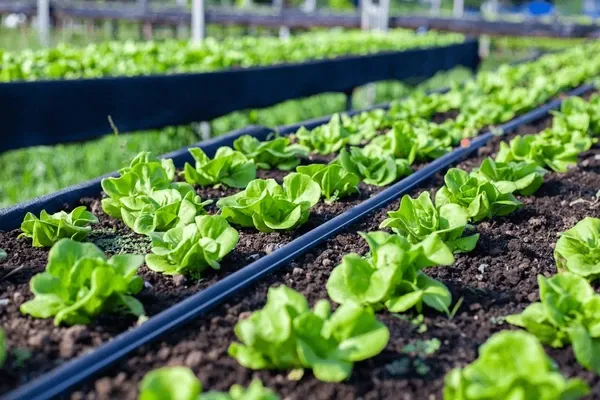
Drip irrigation adapts to virtually any crop, soil type, or topography. Whether growing row crops like tomatoes and peppers, orchard trees, vineyards, or even container plants, drip systems can be customized to meet specific requirements.
Sloped terrain that challenges traditional irrigation becomes manageable with drip systems. The low-pressure operation and precise control allow uniform water distribution regardless of field topography. Sandy soils that drain quickly or clay soils that absorb slowly both benefit from the controlled water application rates.
Installation and Setup
Implementing drip irrigation requires initial planning but pays dividends for years. Start by mapping your growing area and identifying water sources. Calculate water requirements based on crop types, climate, and soil conditions.
The basic installation process involves connecting the system to your water source, installing filters to prevent emitter clogging, laying main lines along field edges, running drip lines or tubing along crop rows, and placing emitters near each plant. Pressure regulators ensure consistent water delivery throughout the system.
Many systems now include smart controllers that integrate with weather stations and soil moisture sensors, automatically adjusting watering schedules to current conditions. This technology takes drip irrigation efficiency to the next level.
Maintenance and Longevity
While drip irrigation requires maintenance, the effort is minimal compared to its benefits. Regular filter cleaning prevents emitter clogging from sediment or organic matter. Periodic inspection of lines and emitters ensures proper function and catches damage early.
Flushing the system at the end of each season removes accumulated debris. In freezing climates, winterization prevents damage from ice formation. With proper care, quality drip irrigation systems last 10-15 years or longer, making them an excellent long-term investment.
Economic Return on Investment
The upfront cost of drip irrigation varies based on system complexity and field size, but most farmers see positive returns within 2-3 years. Water savings alone often justify the investment, especially in regions with high water costs or limited availability.
Add increased yields, reduced labor costs, fertilizer savings, and decreased disease management expenses, and the economic case becomes compelling. Government subsidies and agricultural grants in many regions further improve the financial picture by offsetting initial installation costs.
Environmental Impact
Beyond individual farm benefits, drip irrigation contributes to broader environmental sustainability. Reduced water consumption eases pressure on aquifers and surface water sources. Lower fertilizer application protects groundwater quality and reduces nutrient pollution in waterways.
The improved growing conditions can reduce pesticide needs since healthier plants better resist pests and diseases. This decrease in chemical use benefits soil health, beneficial insects, and surrounding ecosystems.
Conclusion
Drip irrigation represents a paradigm shift in agricultural water management. By delivering water with precision and efficiency, this technology addresses two of farming's most pressing challenges: resource conservation and productivity improvement.
The benefits extend across environmental, economic, and agronomic dimensions. Farmers save water, increase yields, reduce labor and input costs, and practice more sustainable agriculture. As global water resources face increasing pressure and food demand continues rising, drip irrigation offers a practical solution that benefits producers, consumers, and the planet.
Whether you're considering drip irrigation for a small garden or thousands of acres, the investment in this proven technology pays dividends in productivity, profitability, and environmental stewardship. The future of efficient agriculture flows drop by drop.
Ready to transform your growing operation? Start exploring drip irrigation options suited to your specific crops and conditions. The water you save and yields you gain will prove this smart irrigation choice was worth every drop.