Introduction
Pakistan's agricultural sector faces a perfect storm of challenges: chronic electricity shortages, depleting groundwater reserves, rising fuel costs, and the growing threat of climate change. Yet within these challenges lies an unprecedented opportunity. By combining solar energy with drip irrigation, Pakistani farmers are discovering a transformative solution that addresses multiple crises simultaneously.
This innovative approach is not just theory it's already changing lives across Pakistan's farming communities, from the cotton fields of Punjab to the orchards of Balochistan. Farmers who once struggled with erratic power supply and water scarcity are now achieving record yields while dramatically reducing costs.
Understanding Pakistan's Agricultural Challenges
Pakistan's economy depends heavily on agriculture, which contributes about 22% of GDP and employs nearly 40% of the labor force. However, the sector operates under severe constraints that threaten both productivity and sustainability.
The electricity crisis hits farmers particularly hard. Load shedding during critical irrigation periods can devastate crops. Farmers relying on diesel pumps face skyrocketing fuel costs that eat into already thin profit margins. Meanwhile, traditional flood irrigation methods waste precious water a resource becoming increasingly scarce as groundwater tables drop and climate patterns shift.
The Indus Basin, which supports 90% of Pakistan's agriculture, faces alarming water stress. Experts warn that Pakistan could face absolute water scarcity by 2025. Inefficient irrigation practices exacerbate this crisis, with traditional methods wasting up to 60% of water through evaporation, runoff, and seepage.
These challenges demand innovative solutions that Pakistani farmers can actually afford and implement.
The Solar-Drip Revolution: A Perfect Partnership
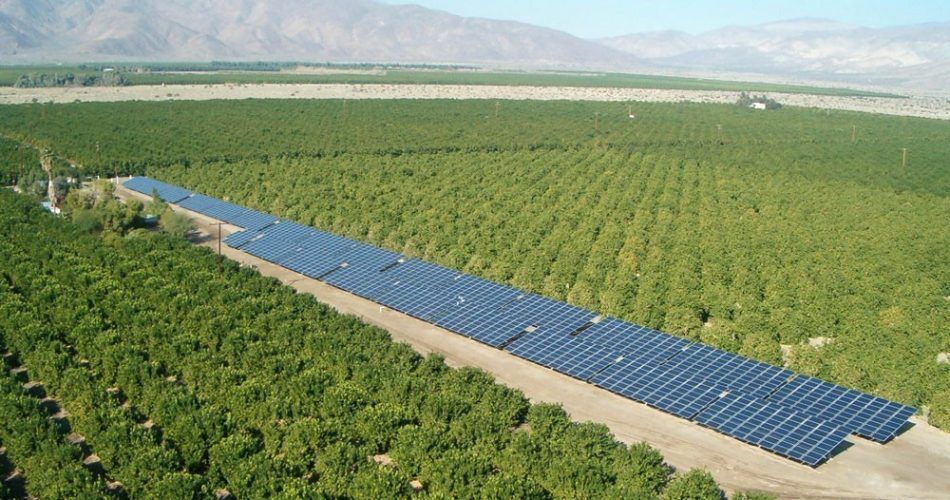
Solar-powered drip irrigation combines two proven technologies into one powerful system. Solar panels generate electricity to power water pumps, which deliver water through drip irrigation networks directly to crop roots. This marriage of renewable energy and precision agriculture creates synergies that amplify benefits beyond what either technology could achieve alone.
The system operates independently of the electrical grid, eliminating load shedding concerns and electricity bills. It uses water with maximum efficiency, addressing scarcity while improving crop outcomes. For Pakistani farmers, this combination represents freedom from two of their biggest operational headaches.
Eliminating Electricity Costs and Load Shedding
Pakistan's electricity tariffs for agriculture have risen sharply in recent years, with many farmers paying Rs. 15-20 per unit or more. A typical 10-horsepower pump running several hours daily can cost Rs. 50,000-100,000 annually in electricity bills. Solar power eliminates these costs entirely.
Even more valuable than cost savings is reliability. Load shedding doesn't follow crop needs it follows grid capacity. Critical irrigation periods often coincide with peak electricity demand, leaving farmers helpless as their crops suffer. Solar systems operate independently, providing power whenever the sun shines, precisely when plants need water most during hot, sunny days.
The typical payback period for solar pumping systems in Pakistan ranges from 3-5 years through electricity savings alone. After that, farmers enjoy essentially free pumping for the 25-year lifespan of solar panels.
Massive Water Savings in a Water-Scarce Nation
Pakistan faces one of the highest levels of water stress globally. Solar-powered drip irrigation addresses this crisis head-on by reducing water consumption by 40-60% compared to flood irrigation methods still used on most Pakistani farms.
Drip irrigation delivers water directly to plant roots through a network of pipes and emitters, minimizing evaporation losses that plague traditional methods. In Pakistan's hot climate, where temperatures regularly exceed 40°C during summer, evaporation savings alone can preserve 30-40% of applied water.
The precision delivery also prevents the deep percolation losses common in flood irrigation. Water stays in the root zone where plants can access it, rather than seeping beyond roots into the groundwater table. This efficiency becomes crucial as groundwater levels drop across Pakistan, with some areas experiencing declines of 2-3 meters annually.
For farmers relying on tube wells, reduced water needs mean less pumping time, further decreasing energy requirements and extending the life of pumping equipment.
Dramatic Yield Increases
Pakistani farmers implementing solar-powered drip irrigation consistently report yield increases of 40-80% depending on crop type. These improvements stem from multiple factors working in harmony.
Consistent moisture availability eliminates drought stress that stunts growth and reduces yields in traditional irrigation systems. Plants receive water based on their needs rather than electricity availability or labor schedules. This reliability is especially critical during flowering and fruit development stages when water stress can dramatically reduce production.
The precise water delivery also prevents waterlogging, a common problem in flood-irrigated fields that suffocates roots and promotes disease. Crops like tomatoes, chilies, citrus, and mangoes all important for Pakistan's economy show particularly dramatic improvements under drip irrigation.
Case studies from Punjab and Sindh provinces document cotton yields increasing from 25-30 maunds per acre under flood irrigation to 40-50 maunds per acre with drip systems. Mango orchards in Multan have reported 60-70% yield increases after switching to solar-powered drip irrigation.
Fertigation: Precision Nutrition Management
Solar-powered drip systems enable fertigation delivering fertilizers directly through irrigation water. This technology offers particular advantages in Pakistan's agricultural context.
Traditional fertilizer application methods waste significant amounts through surface runoff and leaching, especially in the coarse-textured soils common in Punjab and Sindh. Fertigation places nutrients directly in the root zone, reducing fertilizer requirements by 30-50% while improving plant nutrition.
This efficiency saves money on increasingly expensive fertilizers and reduces environmental pollution from nutrient runoff into waterways. The Indus River system already faces serious pollution challenges; reducing agricultural chemical inputs protects both water quality and ecosystem health.
Farmers can customize nutrient delivery based on crop growth stages, providing exactly what plants need when they need it. This precision management leads to healthier plants, better quality produce, and higher market values.
Economic Benefits for Pakistani Farmers
The financial impact of solar-powered drip irrigation extends beyond electricity and water savings. Let's examine the comprehensive economic picture for a typical Pakistani farmer.
Initial investment varies based on farm size and system specifications, but a complete solar-powered drip irrigation system for one acre typically costs Rs. 300,000-500,000. While significant, this investment generates multiple revenue streams and cost savings.
Electricity savings alone can reach Rs. 80,000-120,000 annually for farms currently grid-connected. Diesel pump users save even more, as fuel costs continue rising. Reduced water pumping also extends equipment life, decreasing maintenance costs.
Increased yields generate substantial additional income. A cotton farmer improving yields by 40% on 10 acres could earn an additional Rs. 400,000-600,000 per season at current market prices. The combination of reduced costs and increased revenues often allows payback within 2-3 years.
Government incentives further improve economics. Programs like the Prime Minister's Agriculture Emergency Program and provincial agricultural departments offer subsidies covering 30-60% of solar and drip irrigation system costs, making adoption more accessible to small and medium farmers.
Suitability Across Pakistan's Diverse Agricultural Regions
Pakistan's varied climate zones and crop patterns make solar-powered drip irrigation adaptable to different contexts.
In Punjab's intensively farmed plains, the technology suits crops like cotton, sugarcane, vegetables, and orchards. The region's high solar irradiance averaging 5-7 kWh/m²/day provides excellent conditions for solar power generation.
Sindh's hot, arid climate makes water efficiency critical. Solar-powered drip systems help farmers cope with water scarcity while maintaining productivity in crops like chilies, tomatoes, and dates.
Balochistan's fruit orchards, particularly apples, pomegranates, and apricots, benefit enormously from consistent irrigation. The province's abundant sunshine and limited water resources make solar-powered drip irrigation almost ideal.
Khyber Pakhtunkhwa's varied topography, including terraced farms and hillside orchards, suits drip irrigation's flexibility. Solar power eliminates the need for grid connectivity in remote agricultural areas.
Environmental Sustainability and Climate Resilience
Beyond individual farm benefits, widespread adoption of solar-powered drip irrigation advances Pakistan's environmental and climate goals.
Reduced groundwater extraction helps stabilize declining water tables, ensuring long-term agricultural sustainability. This conservation becomes critical as climate change alters precipitation patterns and glacier melt that feeds the Indus system.
Solar power displaces diesel generators, reducing greenhouse gas emissions and air pollution. If just 20% of Pakistan's irrigated agriculture adopted solar pumping, it could eliminate millions of liters of diesel consumption annually.
The precision water and fertilizer application reduces nutrient pollution in waterways, protecting aquatic ecosystems and improving water quality for downstream users. This becomes especially important for maintaining the health of the Indus Delta and its fisheries.
Healthier, less stressed crops develop better pest and disease resistance, potentially reducing pesticide applications. This benefits both farm ecosystems and human health.
Installation and Implementation
Implementing solar-powered drip irrigation requires planning but is straightforward with proper guidance. The process typically follows these steps:
First, assess your farm's water requirements, crop types, and soil conditions. This determines system specifications and sizing.
Second, conduct a solar resource assessment and calculate pumping needs. Most of Pakistan receives excellent solar radiation, but site-specific factors like shading must be considered.
Third, design the drip irrigation layout based on crop spacing and field configuration. Professional designers can optimize the system for your specific situation.
Fourth, install solar panels, mounting structures, and pumping equipment. Connect to the water source, whether tube well, canal, or storage tank.
Fifth, lay out drip lines along crop rows with appropriate emitter spacing. Install filtration systems to prevent clogging from sediment.
Finally, test the complete system and train farm staff on operation and maintenance procedures.
Many Pakistani companies now specialize in solar-powered irrigation systems and provide turnkey installation services. Agricultural extension services and NGOs also offer technical support and training.
Government Support and Financing Options
Pakistan's government recognizes solar-powered drip irrigation's potential and offers various support mechanisms.
The State Bank of Pakistan's Agricultural Finance Scheme provides subsidized loans for irrigation infrastructure. Commercial banks offer agriculture equipment financing with competitive rates.
Provincial agricultural departments run subsidy programs that can cover 40-60% of system costs. The Punjab Agriculture Department's Kissan Package includes support for high-efficiency irrigation.
International development organizations like the World Bank and Asian Development Bank fund projects promoting water-efficient technologies and renewable energy in agriculture.
Microfinance institutions increasingly offer products tailored to solar irrigation investments, making the technology accessible to smallholder farmers who couldn't afford upfront costs otherwise.
Success Stories from Pakistan
Real-world examples demonstrate the transformative impact of this technology across Pakistan.
In Bahawalpur, cotton farmer Muhammad Aslam installed a solar-powered drip system on his 10-acre farm in 2020. His cotton yield increased from 28 to 45 maunds per acre, while electricity costs dropped to zero. The system paid for itself in just two seasons through increased income and savings.
In Multan's mango belt, citrus grower Fatima Bibi reports her orchard production increased by 65% after switching from flood to solar-powered drip irrigation. Tree health improved dramatically, and fruit quality increased, commanding premium prices in export markets.
A vegetable farming cooperative in Sindh installed a community solar-powered drip system serving 30 small farmers. Members report 50-70% reductions in water use and consistent yields even during load shedding periods that previously devastated crops.
These stories repeat across Pakistan as farmers discover this technology's benefits firsthand.
Maintenance and Long-Term Management
While solar-powered drip irrigation requires minimal maintenance compared to conventional systems, proper care ensures optimal performance and longevity.
Solar panels need periodic cleaning to remove dust accumulation that reduces efficiency particularly important in Pakistan's dusty agricultural regions. Simple washing every few weeks maintains peak performance.
Drip system filters require regular cleaning to prevent emitter clogging. Flush drip lines periodically to remove any accumulated sediment or algae growth.
Check emitters regularly to ensure proper water flow. Replace damaged or clogged emitters promptly to maintain uniform water distribution.
Inspect electrical connections and wiring for corrosion or damage, especially after monsoon rains. Keep pump motors clean and lubricated according to manufacturer specifications.
With proper maintenance, solar panels last 25+ years, pumps operate reliably for 10-15 years, and drip systems function well for 8-12 years before requiring replacement.
Overcoming Adoption Barriers
Despite clear benefits, several factors slow adoption of solar-powered drip irrigation in Pakistan.
Initial cost remains the primary barrier, especially for small farmers with limited capital. However, financing options and subsidies increasingly address this challenge. Farmer cooperatives can pool resources to make systems more affordable.
Technical knowledge gaps can intimidate farmers unfamiliar with these technologies. Agricultural extension services and equipment suppliers must provide adequate training and ongoing support.
Some farmers remain skeptical about changing traditional practices, particularly older generations. Demonstration farms showcasing results help overcome this resistance. When neighbors see tangible benefits, adoption accelerates.
Quality concerns exist due to substandard products in the market. Farmers should purchase from reputable suppliers and verify warranties. Government certification programs help identify quality equipment.
The Future of Pakistani Agriculture
Solar-powered drip irrigation represents more than just a farming technique it's a pathway toward sustainable, climate-resilient agriculture that can secure Pakistan's food security and rural prosperity.
As water scarcity intensifies and energy costs rise, this technology transitions from optional to essential. Early adopters gain competitive advantages, but widespread implementation requires coordinated efforts from government, private sector, financial institutions, and farming communities.
Pakistan has the solar resources, agricultural expertise, and economic incentive to lead the region in sustainable irrigation. With over 20 million hectares under cultivation and abundant sunshine averaging 300+ sunny days annually, the potential for transformation is enormous.
Scaling adoption could save billions of cubic meters of water annually, slash agricultural energy costs, increase national food production, and reduce environmental pressures all while improving farmer incomes and rural livelihoods.
Conclusion
Solar-powered drip irrigation offers Pakistani farmers an elegant solution to interconnected challenges. By harnessing abundant sunshine to deliver water with precision, this technology eliminates electricity costs, conserves precious water resources, increases crop yields, and builds resilience against climate uncertainty.
The evidence is clear, the technology proven, and the benefits substantial. Farmers across Pakistan's diverse agricultural regions are already reaping rewards, from increased incomes to reduced stress about electricity and water availability.
For Pakistan to achieve agricultural sustainability and food security in an era of resource constraints, embracing solar-powered drip irrigation isn't just smart it's essential. The future of Pakistani agriculture is solar-powered, water-efficient, and remarkably productive.
The question isn't whether to adopt this technology, but how quickly farmers, policymakers, and agricultural stakeholders can work together to make it accessible to every farm where it can make a difference. The sun shines on Pakistan 300+ days a year it's time to let that sunshine power a green revolution in agriculture.
Are you a Pakistani farmer ready to transform your operations? Contact your local agricultural extension office or drip irrigation suppliers to learn how solar-powered drip systems can work for your farm. The investment you make today will pay dividends for decades to come.