Introduction
Water is agriculture's most precious resource, yet traditional farming methods waste up to 60% of applied water through evaporation, runoff, and inefficient distribution. Drip irrigation provides the foundation for precision water management, but the technology alone isn't enough. True water management excellence requires understanding soil water plant relationships, implementing smart monitoring systems, and adopting management practices that squeeze maximum value from every liter.
This comprehensive guide explores advanced water management strategies through drip irrigation, transforming it from a simple watering system into an intelligent, responsive water management platform that adapts to crop needs, weather conditions, and soil characteristics in real-time.
Understanding Soil-Water Dynamics in Drip Systems
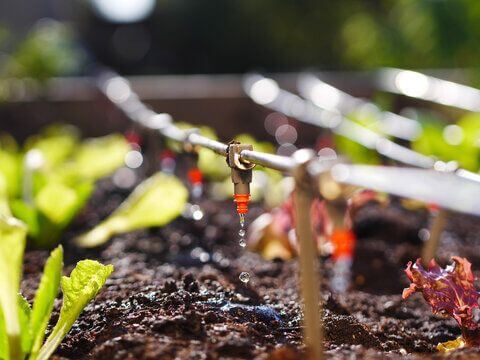
Effective water management begins with understanding how water moves through soil in drip irrigation systems. Unlike flood irrigation that saturates entire fields, drip irrigation creates localized wetting patterns around each emitter.
The wetted zone shape depends on soil texture, emitter flow rate, and irrigation duration. Sandy soils produce narrow, deep wetting patterns as water moves quickly downward. Clay soils create wider, shallower patterns as water spreads laterally before penetrating. Loam soils, ideal for most crops, produce balanced wetting patterns that encourage healthy root development.
Understanding your soil's characteristics allows you to position emitters optimally and schedule irrigation to maintain ideal moisture levels in the root zone. Place emitters closer together in sandy soils to ensure adequate lateral coverage. Space them further apart in clay soils where water spreads more readily.
The key is maintaining soil moisture within the optimal range not too wet, which wastes water and causes root diseases, and not too dry, which stresses plants and reduces yields. This sweet spot typically falls between field capacity (maximum water soil can hold against gravity) and the permanent wilting point (where plants can no longer extract water).
Soil Moisture Monitoring: The Foundation of Precision Management
You cannot manage what you don't measure. Soil moisture monitoring transforms drip irrigation from scheduled watering into precision water management.
Tensiometers measure soil water tension how tightly water adheres to soil particles. As soil dries, tension increases, and plants must work harder to extract water. Tensiometers provide direct readings of water availability to plants. Install them at multiple depths within the root zone to monitor moisture distribution. When readings exceed crop-specific thresholds, irrigation is needed.
Capacitance sensors measure soil moisture content by detecting changes in soil's electrical properties. These electronic sensors provide continuous data and can connect to automated irrigation controllers. Install sensors at different locations representing field variability to capture moisture patterns across your farm.
Time Domain Reflectometry (TDR) sensors measure the time electromagnetic pulses take to travel through soil. Since water slows pulse transmission, travel time indicates moisture content. TDR sensors offer high accuracy and minimal maintenance.
Gypsum blocks provide economical moisture monitoring by measuring electrical resistance between embedded electrodes. As soil dries, resistance increases. While less accurate than other sensors, gypsum blocks offer cost-effective monitoring for budget-conscious farmers.
Strategic sensor placement is critical. Install sensors within the primary root zone depth typically 15-45 cm for vegetables, 30-90 cm for field crops, and 60-150 cm for trees. Place sensors between drip emitters where soil is driest, not directly under emitters where moisture is highest. Use multiple sensors to capture field variability.
Irrigation Scheduling Strategies
Effective scheduling balances plant water needs with efficient water use. Several approaches optimize this balance.
Soil Moisture-Based Scheduling uses sensor data to trigger irrigation when soil moisture drops below crop-specific thresholds. This method responds directly to actual soil conditions rather than assumptions. Set different thresholds for crop growth stages higher moisture during flowering and fruit development, moderate during vegetative growth, and controlled deficit during maturation.
Evapotranspiration (ET) Based Scheduling calculates water lost through plant transpiration and soil evaporation. Reference ET data from weather stations is adjusted by crop coefficients specific to plant type and growth stage. This method anticipates water needs based on atmospheric demand. Modern ET-based systems integrate weather forecasts to adjust irrigation proactively.
Crop Growth Stage Management tailors irrigation to physiological needs. Seedlings require frequent light irrigations to keep shallow root zones moist. Vegetative growth benefits from moderate, less frequent irrigations that encourage deep root development. Flowering and fruiting stages demand consistent moisture to maximize yield and quality. Maturation periods may use deficit irrigation to concentrate sugars or promote ripening.
Dual-Threshold Approach combines methods by setting upper and lower moisture limits. Irrigation begins when soil moisture falls to the lower threshold and continues until reaching the upper threshold. This prevents both under and over-irrigation while maintaining optimal moisture ranges.
Time-Based Adjustments modify irrigation duration and frequency based on seasonal changes, plant development, and weather patterns. Increase frequency during hot summer months when ET rates peak. Reduce irrigation as plants mature and water demands decrease. Adjust for rainfall by reducing or skipping scheduled irrigations.
Deficit Irrigation Techniques
Deficit irrigation deliberately applies less water than full crop requirements during specific growth stages to improve water use efficiency without significantly reducing yields. This advanced strategy requires understanding crop water sensitivity periods.
Regulated Deficit Irrigation (RDI) reduces water application during drought-tolerant growth phases while maintaining full irrigation during critical periods. For example, grapevines receive reduced water post-harvest and during early vegetative growth but full irrigation during flowering and fruit development. This saves water while concentrating flavors and improving grape quality.
Partial Root Zone Drying (PRD) alternates irrigation between different drip lines, keeping part of the root system moist while stressing the other part. This triggers hormonal responses that reduce canopy growth and water consumption while maintaining fruit production. Alternate wet and dry zones every 1-2 weeks.
Sustained Deficit Irrigation (SDI) applies below-optimal water throughout the growing season. This works for crops where moderate stress doesn't significantly reduce marketable yield or where water conservation is critical. Cotton, wheat, and some tree crops tolerate sustained deficits reasonably well.
Success with deficit irrigation requires precise moisture monitoring, understanding crop-specific responses, and accepting some yield reduction in exchange for significant water savings. The goal is optimizing water productivity (yield per unit water) rather than maximizing total yield.
Leaching Management and Salinity Control
Drip irrigation's precision creates both opportunities and challenges for salinity management. Unlike flood irrigation that leaches salts across entire fields, drip systems concentrate salts at wetting pattern boundaries.
Leaching Fraction Management applies excess water periodically to move accumulated salts below the root zone. Calculate leaching requirements based on irrigation water salinity and crop salt tolerance. Apply leaching irrigations every 2-4 weeks in high-salinity conditions, running the system longer than normal to push salts downward.
Strategic Emitter Placement positions emitters to keep high-salt zones away from active root areas. In row crops, place drip lines near plants where roots concentrate, allowing salt accumulation in furrows between rows. Monitor salt distribution patterns and adjust emitter spacing if needed.
Pre-Plant Leaching saturates the soil before planting to push existing salts below the root zone, giving crops a clean start. This is especially important when transitioning from flood to drip irrigation or planting in previously uncultivated areas.
Salt Monitoring through soil testing and electrical conductivity measurements identifies accumulation before it damages crops. Test soil samples from different depths and locations quarterly. EC readings above crop tolerance thresholds indicate leaching is needed.
Blending Water Sources mixes high-salinity water with better quality water to reduce overall salt load. If canal water is saline but groundwater is fresher, blend them to achieve acceptable salinity levels.
Integrating Rainwater Harvesting with Drip Systems
Rainwater collection and storage complement drip irrigation by capturing free water during wet periods for use during dry spells. This integration maximizes water security and efficiency.
Surface Runoff Capture directs rainfall runoff from fields, roads, or other surfaces into storage ponds or tanks. Even modest rainfall events generate significant runoff that would otherwise go to waste. A 25mm rain event on one hectare produces 250,000 liters of potentially harvestable water.
Rooftop Collection gathers rainfall from building roofs through gutters and downspouts into storage systems. This provides high-quality water free from soil contact and requires minimal filtration before drip system use.
Storage System Design must match collection potential with irrigation needs. Calculate storage requirements based on maximum dry period length and daily irrigation demands. Covered storage prevents evaporation losses and contamination. Line earthen ponds with plastic or clay to minimize seepage.
Treatment and Filtration prepares harvested water for drip irrigation use. Screen inlets to exclude debris. Allow sedimentation in storage tanks before use. Filter water to prevent emitter clogging screen filters for organic matter, sand filters for fine sediment, and disk filters for general protection.
Supplementary Irrigation Strategy uses harvested rainwater as the primary source, supplemented by other sources when storage depletes. This maximizes rainwater use while ensuring continuous irrigation capability.
Mulching and Soil Conservation Practices
Combining drip irrigation with mulching and conservation practices multiplies water management benefits.
Plastic Mulch covers the soil surface around plants, virtually eliminating surface evaporation. It also controls weeds that compete for water, moderates soil temperature, and keeps fruit clean. Black plastic works well in cooler climates, while reflective mulches suit hot regions. Plastic mulch combined with drip irrigation can reduce total water needs by 30-40% compared to unmulched drip systems.
Organic Mulch layers materials like straw, wood chips, or crop residues over soil. These break down gradually, improving soil structure while reducing evaporation. Organic mulches also support beneficial soil microorganisms and add organic matter. Apply 5-10 cm depth around plants, keeping mulch away from stems to prevent rot.
Living Mulches and Cover Crops grow low-growing plants between crop rows to protect soil and reduce evaporation. Choose species that don't compete aggressively with main crops for water. In orchards, low-growing legumes provide living mulch while fixing nitrogen.
Conservation Tillage minimizes soil disturbance to preserve structure, reduce evaporation, and maintain organic matter. In drip irrigation systems where only root zones need cultivation, leaving inter-row areas undisturbed conserves moisture and prevents erosion.
Raised Beds improve drainage in heavy soils and concentrate irrigation in planting zones. Beds create defined growing areas where drip lines and mulch focus water management efforts, preventing waste in pathways and non-planted areas.
Automation and Smart Irrigation Controllers
Modern irrigation controllers transform drip systems into intelligent water management platforms that respond automatically to changing conditions.
Weather-Based Controllers adjust irrigation schedules based on rainfall, temperature, humidity, wind, and solar radiation data from weather stations. These controllers calculate daily ET and modify run times accordingly. Some models access internet-based weather services for forecast data, reducing or skipping irrigation before predicted rainfall.
Soil Moisture Controllers receive direct input from moisture sensors and irrigate only when readings fall below set thresholds. This closed-loop control ensures irrigation responds to actual soil conditions rather than estimated needs. Multiple sensor zones allow different field areas to receive customized water management.
Hybrid Systems combine weather data with soil moisture monitoring for robust decision-making. These advanced controllers verify that weather-based calculations match actual field conditions, adjusting if discrepancies occur.
Remote Monitoring and Control through smartphone apps allows farmers to check system status and adjust settings from anywhere. Receive alerts about system malfunctions, low soil moisture, or excessive water use. Start or stop irrigation remotely based on weather observations or changing schedules.
Data Logging and Analysis records irrigation events, durations, sensor readings, and weather conditions over time. Analyze historical data to optimize scheduling, identify inefficiencies, and make informed management decisions. This data-driven approach continuously improves water management performance.
Fertigation Water Management
Integrating fertilizer application with irrigation creates additional water management considerations and opportunities.
Nutrient Solution Concentration affects osmotic potential and water uptake. High-concentration fertigation can temporarily increase soil salinity, reducing water availability to plants. Apply nutrients in multiple small doses rather than single large applications to minimize osmotic stress.
Injection Timing should begin after initial irrigation establishes water flow and end before irrigation stops. This ensures nutrients enter the root zone with moving water and prevents fertilizer accumulation in drip lines when the system shuts down.
Flushing Cycles run clear water through the system after fertigation to prevent precipitate formation and emitter clogging. Flush for 10-15 minutes or until water runs clear from the system's end.
Synchronized Scheduling coordinates water and nutrient applications with crop uptake patterns. Apply nitrogen-rich fertigation during vigorous vegetative growth when plants demand high nitrogen. Shift to phosphorus and potassium emphasis during flowering and fruiting. This synchronization maximizes nutrient use efficiency while supporting optimal water management.
Acid Injection for pH management improves nutrient availability and prevents precipitation in irrigation water. Maintain pH between 5.5-6.5 in drip systems for optimal nutrient solubility and uptake.
System Design for Optimal Water Management
Proper system design foundations enable effective water management throughout the system's life.
Hydraulic Uniformity ensures all emitters deliver water at nearly equal rates. Poor uniformity means some areas receive too much water while others receive too little. Design systems with proper pipe sizing, pressure regulation, and emitter selection to achieve distribution uniformity above 90%.
Emitter Selection matches flow characteristics to soil and crop needs. Low-flow emitters (0.5-2 L/hr) suit clay soils and closely spaced plants. Higher-flow emitters (4-8 L/hr) work well in sandy soils requiring more rapid water application. Pressure-compensating emitters maintain consistent flow across varying topography and pressure variations.
Filtration Systems prevent emitter clogging that destroys water management precision. Screen filters remove organic material. Media filters extract fine sediment. Disk filters provide versatile protection. Size filters based on water source quality and emitter requirements—typically removing particles larger than 1/7 the emitter orifice diameter.
Pressure Regulation maintains optimal operating pressure throughout the system. Pressures too high waste water through excessive flow. Pressures too low cause uneven distribution. Install pressure regulators at the system inlet and at the beginning of each zone to maintain consistent performance.
Zoning Strategy groups plants with similar water needs into separate irrigation zones. Never irrigate high and low water-demand crops together. Separate mature and young plants into different zones since their water needs differ substantially. Zone by soil type if field conditions vary significantly.
Monitoring and Troubleshooting
Ongoing monitoring maintains water management performance and catches problems early.
Flow Meter Monitoring tracks total water usage and identifies anomalies. Sudden flow increases suggest leaks or broken lines. Gradual flow increases may indicate emitter damage or system deterioration. Compare actual usage against calculated crop requirements to verify efficiency.
Pressure Monitoring at multiple system points identifies blockages or leaks. Pressure drops indicate clogging or insufficient filtration. Pressure increases suggest valve problems or line damage. Install pressure gauges at the pump, filter outlet, zone inlets, and lateral line ends.
Visual Field Inspections regularly walk fields looking for wet spots, dry areas, plant stress symptoms, or system damage. Check emitters for clogging or damage. Look for rodent damage to drip lines. Observe wetting patterns to verify proper operation.
Emitter Testing periodically checks flow uniformity by catching and measuring emitter discharge. Test emitters at the system's beginning, middle, and end. Distribution uniformity below 85% indicates maintenance needs or design problems.
Maintenance Schedules include regular filter cleaning, system flushing, pressure checks, and component inspections. Flush systems weekly during heavy use periods. Clean filters when differential pressure exceeds manufacturer specifications. Annual end-of-season maintenance prepares systems for storage or next season.
Water Management for Different Crop Types
Different crops require tailored water management approaches within drip irrigation systems.
Vegetables typically need frequent, light irrigations maintaining consistently moist soil. Their shallow root systems dry quickly, especially in sandy soils. Run short irrigation cycles multiple times daily during hot weather. Reduce frequency as plants mature and develop deeper roots.
Field Crops like cotton, wheat, and maize benefit from less frequent but deeper irrigations encouraging root development. Space irrigations to allow slight soil drying between events, promoting roots to search for water at depth. Adjust frequency based on growth stage—more frequent during flowering and grain fill.
Orchard Trees require different strategies by age. Young trees need frequent irrigation to establish root systems. Mature trees benefit from deeper, less frequent irrigations. Monitor soil moisture at multiple depths spanning the root zone, which may extend 1-2 meters deep. Adjust irrigation based on fruiting load heavy crop years demand more water than light years.
Berries and Vines often utilize deficit irrigation during specific growth periods to improve fruit quality. Maintain adequate moisture during bloom and early fruit development. Apply moderate deficit during ripening to concentrate sugars and flavors. Resume full irrigation post-harvest to support next season's growth.
Water Quality Management
Water quality significantly impacts drip irrigation performance and water management success.
pH Management maintains water between 6.0-7.5 for optimal nutrient availability and system performance. High pH causes precipitate formation clogging emitters. Low pH increases corrosion. Inject acid to reduce pH or base to increase it as needed.
Hardness Control addresses calcium and magnesium accumulation. Hard water forms scale deposits in drip lines and emitters. Water softening, acid injection, or specialized anti-scale products prevent buildup.
Iron Management prevents brown staining and emitter clogging from oxidized iron. Aerate water to oxidize dissolved iron, then filter it out. Alternatively, use chemical treatments to keep iron in solution.
Biological Growth Control prevents algae and bacterial slime formation through chlorination or other sanitizing treatments. Inject chlorine to maintain 1-2 ppm free chlorine at lateral line ends. Flush thoroughly before fertigation to prevent chemical interactions.
Sediment Removal through proper filtration prevents physical clogging. Regular filter maintenance and system flushing remove accumulated particles before they reach emitters.
Economic Water Management
Optimizing economic returns per unit water used represents the ultimate water management goal.
Water Budgeting allocates limited water resources across crops and growth stages to maximize total farm profitability. Prioritize water for high-value crops during critical growth periods. Accept yield reductions in less valuable crops or drought-tolerant growth stages.
Marginal Analysis calculates returns from additional water applications. Apply water up to the point where the value of additional yield equals the cost of additional water. Beyond this point, more water reduces profitability even if it increases yield.
Crop Selection chooses plants suited to available water resources. In severely water-limited conditions, select drought-tolerant crops or varieties requiring less irrigation. Mix high and low water-demand crops to balance water use across the farm.
Market Timing strategies use water management to influence harvest timing for better prices. Accelerate maturity with increased irrigation to reach early markets. Delay maturity with controlled deficits to avoid peak supply periods when prices drop.
Conclusion
Advanced water management through drip irrigation represents agriculture's future in an increasingly water-constrained world. The strategies outlined here transform simple drip systems into sophisticated water management platforms that optimize every drop for maximum benefit.
Success requires commitment to monitoring, willingness to adopt new technologies, and patience to learn crop-specific responses. Start with basic moisture monitoring and scheduling improvements, then progressively implement advanced techniques like deficit irrigation, automation, and integrated rainwater harvesting.
The rewards justify the effort: 50-70% water savings, 30-60% yield increases, reduced input costs, and environmental sustainability. Most importantly, effective water management through drip irrigation ensures farm viability regardless of water availability challenges.
Water is too precious to waste. With the knowledge and tools available today, every farmer can become a water management expert, securing their operation's productivity and profitability for decades to come. The question isn't whether to implement advanced water management it's how quickly you can start maximizing every drop.
Ready to elevate your water management? Begin with soil moisture monitoring and irrigation scheduling improvements this season. Each step toward precision water management increases efficiency, profitability, and sustainability. Start managing water like the precious resource it is your crops, wallet, and environment will thank you.